Best Practices for Ecommerce Marketing in 2026
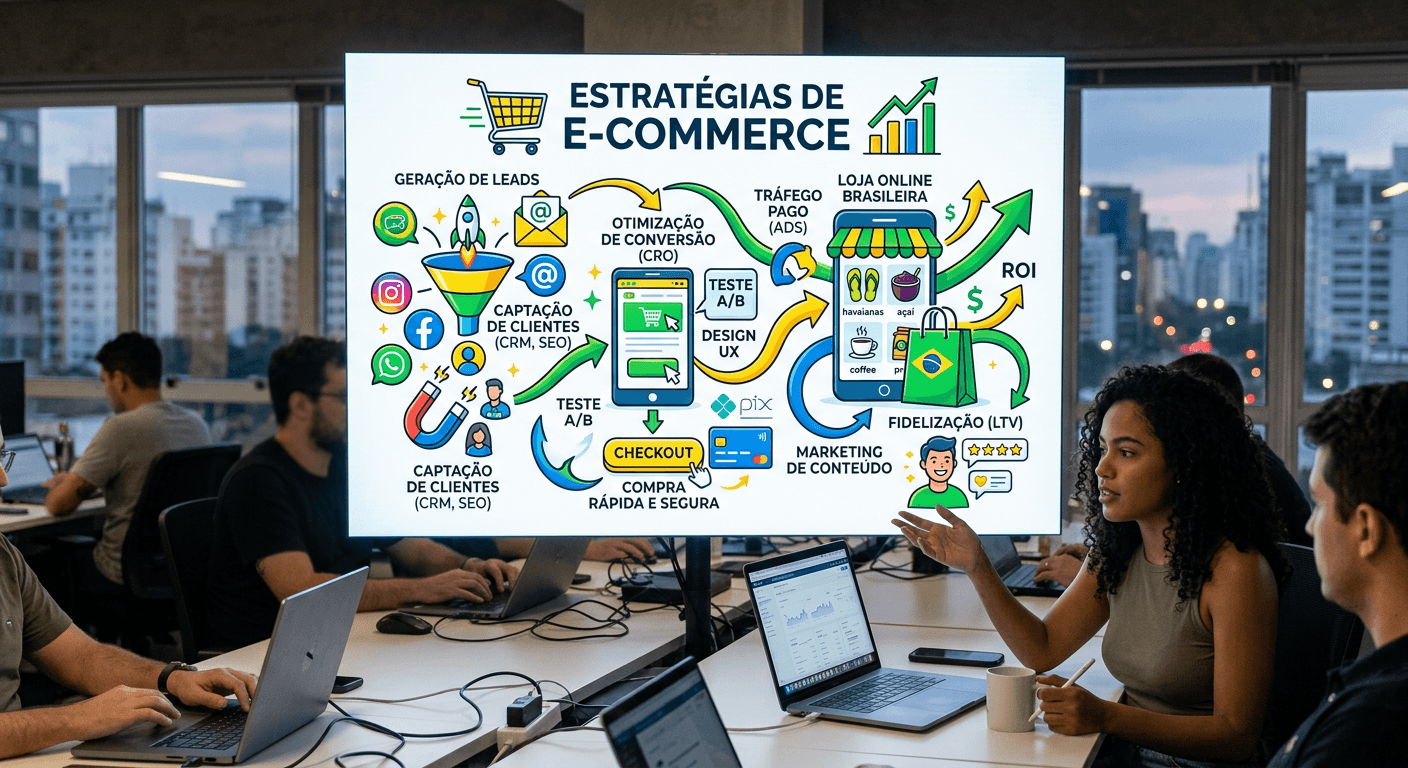
Ecommerce marketing has become an essential part of the business landscape, particularly in the digital age where online shopping continues to rise. Effective strategies not only draw customers in but also optimize user experiences to enhance conversion rates. Implementing best practices in ecommerce marketing is vital for driving sales and building a lasting brand.
Quick Summary
Ecommerce marketing encompasses strategies designed to increase online sales effectively. Best practices involve understanding customer behavior, optimizing conversion rates, and utilizing effective lead generation techniques. Key takeaways include:
- Understand your target audience through extensive market research.
- Optimize product pages and checkout processes for better conversions.
- Engage customers through personalized marketing campaigns.
Table of Contents
- Understanding Your Target Audience
- Optimizing Product Pages
- Effective Lead Generation Techniques
- Enhancing Your Checkout Process
- Conversion Rate Optimization Strategies
- Common Pitfalls & Troubleshooting
- FAQ

Understanding Your Target Audience
To maximize the impact of ecommerce marketing, first and foremost, businesses must understand their target audience. Conducting thorough market research reveals insights into customer preferences, pain points, and buying behaviors. Tools such as surveys, social media analytics, and website feedback can provide valuable data to shape marketing strategies.
Developing customer personas is an effective way to encapsulate target demographics. These personas not only reflect age, gender, and location but also highlight interests and shopping habits. A clear understanding of your audience guides product offerings and marketing messages, ensuring they resonate with potential customers.
Optimizing Product Pages
Optimizing product pages is crucial in ecommerce marketing as these pages act as the first point of contact for customers. Essential elements to enhance include:
- High-Quality Images and Descriptions: Use professional images and compelling descriptions that engage customers. Detailed information about a product, including its features, benefits, and usage, can bolster consumer confidence in their purchasing decisions.
- SEO Optimization: Incorporate relevant keywords, such as 'ecommerce marketing,' throughout product listings to improve search engine visibility. This attracts more organic traffic to your site.
A/B testing different layouts and content styles can also yield insights into what works best for your target audience. Small changes can significantly impact user engagement and conversion rates, making optimization an ongoing process.
Effective Lead Generation Techniques
Lead generation is a pivotal aspect of ecommerce marketing, as it directly influences a company's ability to foster relationships and maximize sales. Key techniques include:
- Content Marketing: Provide valuable content that addresses pain points or informs users about industry trends. Blog posts, videos, and guides can position your brand as a thought leader and build trust with potential customers.
- Email Capture Forms: Utilize strategically placed sign-up forms across your website. Offering a discount or free resource in exchange for email addresses encourages visitors to provide their information, thus becoming leads.
- Social Media Campaigns: Leverage platforms like Instagram and Facebook for targeted advertising. Engaging with your audience can create a community around your brand, enhancing visibility and outreach.
Enhancing Your Checkout Process
A streamlined checkout process is paramount in reducing cart abandonment and boosting conversions. Consider these essential enhancements:
- Guest Checkout Options: Allow customers to make purchases without signing up for an account. This removes friction in the buying process and caters to users who prioritize convenience.
- Clearly Visible Shipping Costs: Be transparent about any additional charges during checkout. Display shipping costs upfront to avoid surprises that may deter customers from completing their purchase.
Automating the checkout process can further enhance user experience, ultimately encouraging completion. The use of auto-fill information and secure payment options appeals to users' desires for efficiency and safety.
Conversion Rate Optimization Strategies
Conversion rate optimization (CRO) refers to the systematic approach of increasing the percentage of website visitors taking desired actions. Here are effective strategies to employ:
- Leverage Analytics: Regularly review website analytics to identify patterns in user behavior. This data is integral to refining marketing strategies and optimizing the customer journey.
- Personalization: Tailor marketing efforts to individual users’ preferences. Using data insights to recommend products or display targeted ads based on past interactions can significantly enhance user experience.
- Social Proof: Harness the power of customer testimonials, reviews, and trust badges to build a reputation. Displaying evidence of customer satisfaction fosters trust and encourages purchases.
Common Pitfalls & Troubleshooting
While implementing ecommerce marketing strategies, certain pitfalls can hinder success:
- Neglecting Mobile Optimization: Mobile shopping continues to grow, making mobile-friendly websites crucial. Ensure designs are responsive and user-friendly on smartphones and tablets.
- Ignoring Feedback: Customer feedback provides invaluable insights. Ignoring both positive and negative feedback can result in missed opportunities for improvement.
Regularly evaluating marketing strategies and being willing to pivot when necessary can greatly reduce these pitfalls.
FAQ
-
What is the difference between ecommerce marketing and traditional marketing?
Ecommerce marketing is focused specifically on promoting products or services online, whereas traditional marketing encompasses broader strategies including print, television, and radio. -
How can I track the success of my ecommerce marketing?
Utilize analytics tools to monitor website traffic, conversion rates, and customer behaviors. These insights will help refine your marketing strategies. -
What role does SEO play in ecommerce marketing?
SEO improves the visibility of your online store in search engines, attracting more organic traffic, and ultimately increasing sales. -
How often should I review my ecommerce marketing strategies?
Regular reviews, ideally every quarter, allow you to adapt to changing market conditions and consumer preferences. -
What is an effective lead generation strategy for ecommerce?
Content marketing and engaging social media campaigns are highly effective for generating leads in ecommerce.
Recommended Reads
- Insights on AI-Driven SEO for Brazilian Businesses
- Understanding Privacy Compliance in Digital Marketing
- Strategies for Effective Brand Messaging