Brand Experience and Activation: Key Concepts
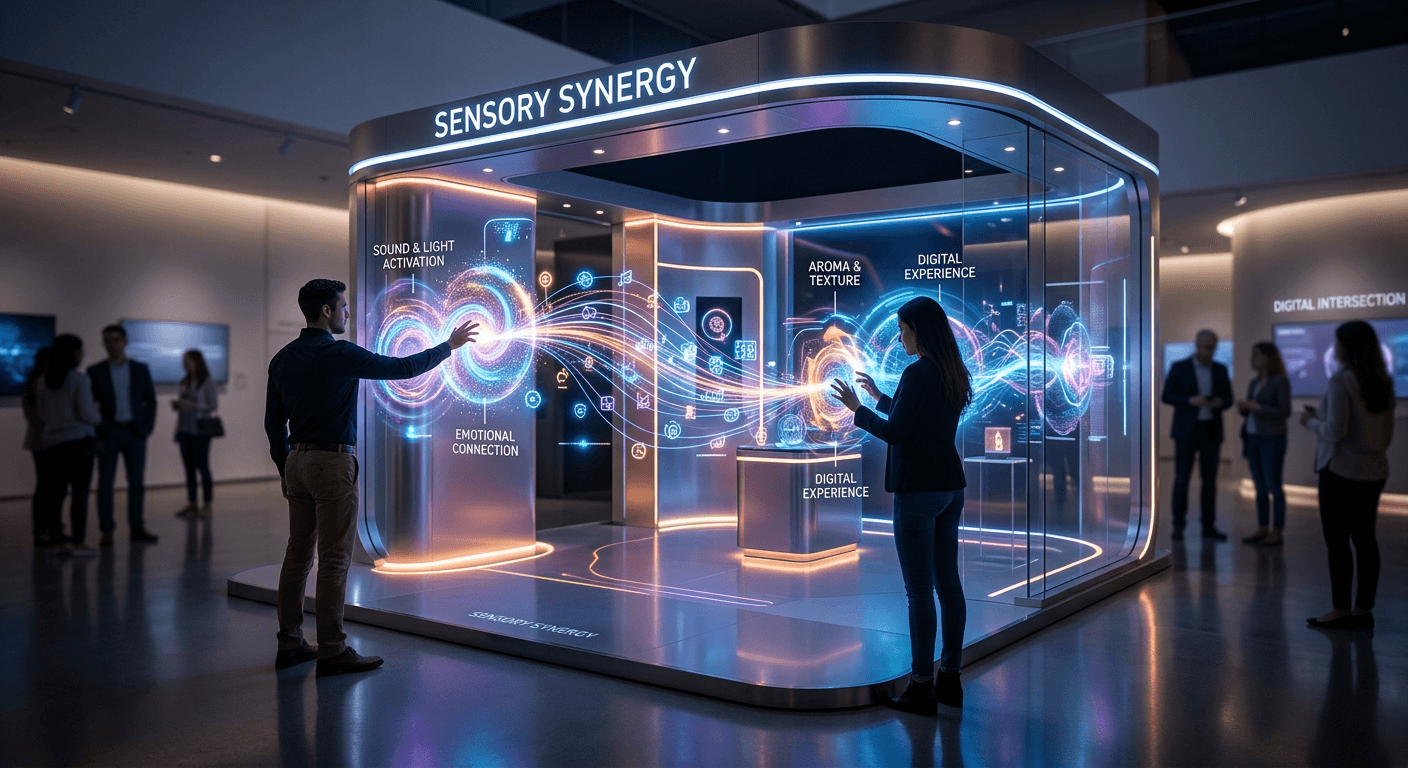
Building a cohesive brand experience requires more than just a visual identity; it demands a strategic orchestration of every touchpoint to foster a meaningful connection between the organization and its target audience. When a company invests in brand experience, it moves beyond superficial aesthetics to create a holistic journey that reinforces value, trust, and emotional resonance. Achieving this level of engagement often relies on the successful integration of brand activation initiatives that bridge the gap between abstract corporate promises and tangible real-world interactions.
Quick Summary
Brand experience is the cumulative effect of every interaction a consumer has with a company, while brand activation refers to the specific campaigns or events designed to trigger a behavioral response. Together, they transform passive awareness into active loyalty through immersive, multisensory engagement strategies.
- Experience encompasses the full lifecycle of the brand relationship.
- Activation focuses on high-impact, temporary, or event-based initiatives.
- Sensory elements are critical for increasing brand lift.
- Digital and physical integration is essential for modern market reach.
Table of Contents
- Quick Summary
- Defining Brand Experience and Activation
- The Role of Brand Sense in Consumer Psychology
- Leveraging Marketing Sensorial Techniques
- Measuring Success Through Brand Lift
- Strategic Execution of Brand Activation
- Comparison of Experience and Activation Strategies
- FAQ
- Recommended Reads

Defining Brand Experience and Activation
Brand experience represents the internal and subjective consumer response to any stimulus evoked by a brand-related design, identity, packaging, communications, or environments. It is not something a company can explicitly grant to a customer; rather, it is a byproduct of how well the brand manages its operational touchpoints. Professionals often review the legal framework for these interactions to ensure that expectations set during the experience phase are met with consistent service delivery.
Brand activation, by contrast, is the process of bringing a brand to life through focused campaigns that encourage participation. If brand experience is the foundation of the house, brand activation is the act of inviting people inside for a specific event. Effective activation requires a deep understanding of the core privacy guidelines governing how user data is collected and utilized during these interactive engagements.
The Role of Brand Sense in Consumer Psychology
Brand sense refers to the holistic integration of human perception into the brand narrative. Human beings do not process brand messaging purely through logic; we are physiological entities that interpret information through emotional and sensory filters. When a brand ignores this, it risks being perceived as sterile or irrelevant in a crowded marketplace.
By leveraging the concept of brand sense, companies create a "memory anchor." For instance, the specific weight of a product’s packaging or the proprietary sound emitted by a hardware device creates a subconscious association that survives long after the initial transaction. This psychological anchoring is what differentiates a commodity from a preferred brand, turning a generic purchase into a curated, personal experience.
Leveraging Marketing Sensorial Techniques
Marketing sensorial strategies involve appealing to the five human senses to create a multi-dimensional connection. Scent, sound, touch, taste, and sight are not merely biological inputs; they are powerful tools for influencing mood, recall, and purchasing intent. High-end retailers, for example, often utilize subtle environmental fragrance and specific auditory soundscapes to lengthen the duration of a customer's visit.
Implementing these techniques requires significant nuance. A sensory input that is too aggressive will feel intrusive and performative, whereas a balanced approach feels intuitive. The goal is to make the marketing feel like a seamless part of the environment rather than an external imposition. Successful execution in this area requires constant testing and refinement, as described in our industry analysis regarding consumer behavior trends.
Measuring Success Through Brand Lift
Brand lift is the metric used to quantify the impact of a specific campaign on consumer perception. It tracks how a marketing initiative shifts metrics such as brand awareness, consideration, and purchase intent compared to a control group. Without rigorous measurement, activation efforts remain speculative ventures.
To effectively measure lift, organizations must establish a baseline before the campaign begins. This involves segmenting target audiences and comparing the uplift in sentiment or interest across different demographics. A campaign that succeeds in engagement but fails to move the needle on purchase intent suggests a disconnect between the activation event and the ultimate brand experience.
Strategic Execution of Brand Activation
Executing a successful activation requires a transition from theory to performance. This often involves pop-up experiences, experiential booths at trade shows, or digital-physical hybrid activations that incentivize users to engage with a product in real-time. The key is removing the friction between the user and the brand, allowing them to "test drive" the value proposition.
Pro Tip: When designing an activation event, prioritize the "Shareability Factor." An experience that encourages organic social media amplification effectively acts as an extension of your marketing budget, turning participants into brand advocates.
Comparison of Experience and Activation Strategies
| Dimension | Brand Experience | Brand Activation |
|---|---|---|
| Scope | Long-term and continuous | Short-term and episodic |
| Goal | Building equity and loyalty | Triggering immediate action |
| Nature | Passive/Integrated | Active/Participatory |
| Frequency | Daily/Ongoing | Periodic/Campaign-based |
FAQ
What is the main difference between brand experience and brand activation?
Brand experience is the long-term, cumulative perception a customer has of your brand, while brand activation is a specific, time-bound event or campaign designed to drive a prompt consumer response.
How does marketing sensorial improve engagement?
Sensory marketing creates deeper memory traces by engaging multiple senses simultaneously, making the brand more memorable and emotionally resonant than messaging that relies solely on visual or textual information.
Can brand lift be measured in real-time?
Yes, modern digital analytics tools allow for the monitoring of sentiment and engagement during an activation, providing a near-real-time view of how the audience is responding to the campaign.
Why is it important to align experience and activation?
If an activation provides a high-energy experience but the day-to-day service delivery of the brand is poor, the discrepancy will lead to customer disappointment and a long-term erosion of trust.